Renovating a villa in Dubai is a different undertaking from renovating an apartment. There’s more square footage to plan around, more trades to coordinate — masonry, electrical, plumbing, flooring, sometimes structural work — and a climate that punishes shortcuts in materials and finishing far faster than milder markets do. Whether it’s a single bathroom refresh or a full kitchen and living-area fit-out, the difference between a renovation that holds up and one that needs redoing in two years usually comes down to planning, sequencing, and who you hire.
This guide walks through what a villa renovation in Dubai typically involves, the choices that shape cost and timeline, and what separates a renovation company worth hiring from one that will leave you managing the project yourself.
What Counts as a Villa Renovation
“Renovation” covers a wide range of work, and it’s worth being clear about where the line sits before getting quotes, since scope is the single biggest driver of both price and timeline:
- Bathroom renovation — replacing tiling, fixtures, waterproofing membranes, and sometimes reconfiguring the layout entirely.
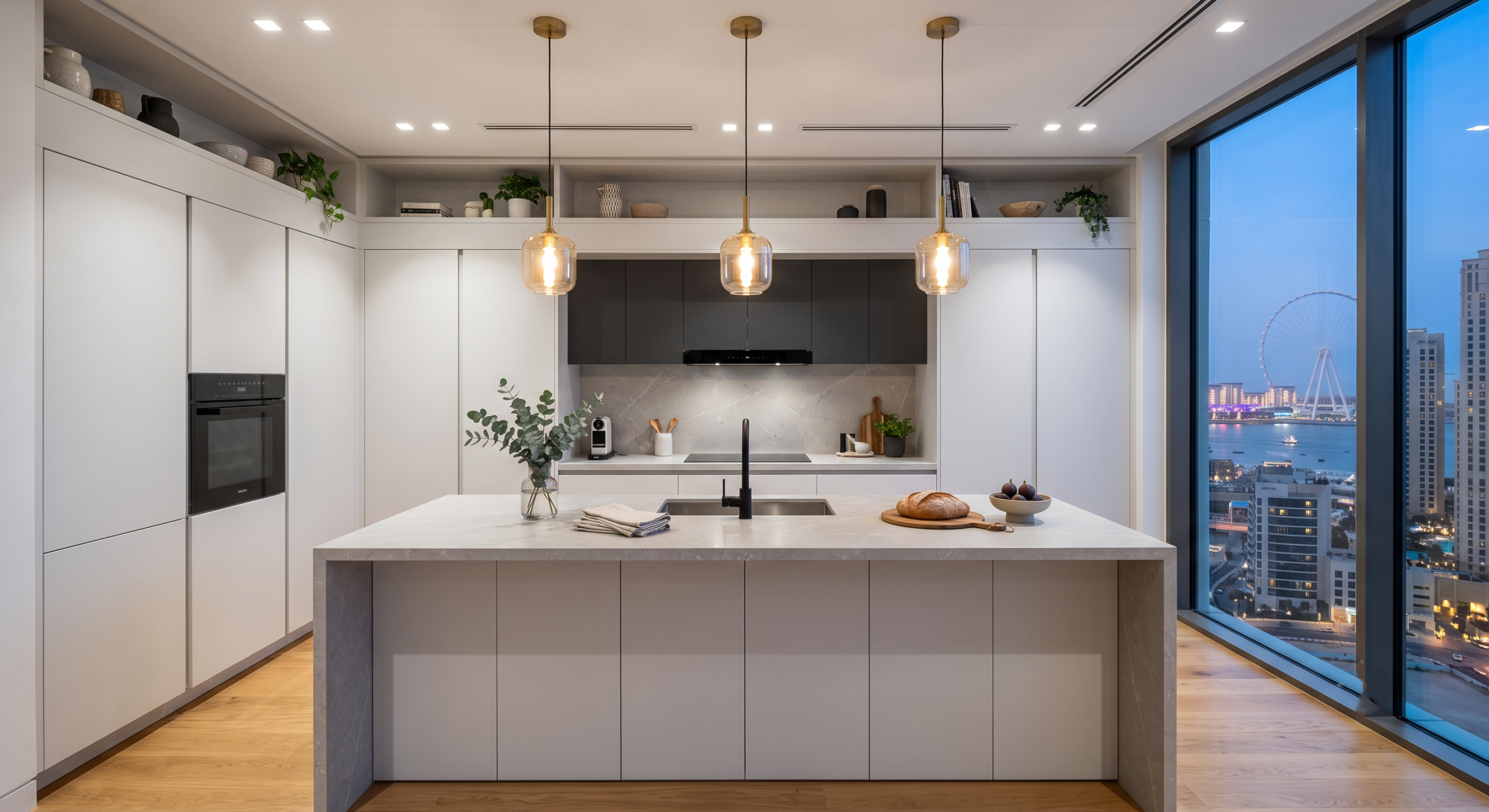
- Kitchen renovation — cabinetry, countertops, plumbing and electrical rerouting, and appliance integration.
- Flooring — replacing tiles, marble, or wood across rooms, which often uncovers subfloor issues in older villas.
- Interior fit-out — built-in storage, partition walls, ceiling work, and finishing carpentry across multiple rooms at once.
- Structural or layout changes — knocking through walls, extending a room, or altering the footprint, which requires proper permitting and structural sign-off.
Most projects blend two or three of these categories rather than one in isolation. A kitchen renovation, for instance, almost always touches flooring and often electrical, since older wiring rarely meets the load of updated appliances.

Why Dubai Villas Renovate Differently Than You’d Expect
A few local factors change how renovation work needs to be planned, compared with a similar project in a temperate climate:
Villa age and original build quality vary widely. Older villas, particularly those built more than 10–15 years ago, often have plumbing, wiring, and waterproofing that wasn’t specified for the loads modern appliances and fixtures place on them. A renovation that only replaces surfaces without checking what’s behind them tends to resurface the same problems within a year or two.
Heat and humidity stress materials differently. Tile adhesives, grout, and sealants that work fine in cooler climates can fail faster under sustained heat exposure, especially on exterior-facing walls or poorly ventilated bathrooms. Material selection matters more here than it does elsewhere.
Permitting and community rules apply. Structural changes, and in some cases even significant interior work, may need approval from the relevant authority or community management, depending on the villa’s location. Skipping this step is one of the most common causes of stalled renovations.
Multiple trades need sequencing, not just scheduling. Plumbing has to happen before tiling; electrical rough-in has to happen before ceiling work closes it in. A renovation that isn’t properly sequenced leads to rework — and rework is where budgets quietly blow past their original estimate.
What Drives the Cost of a Villa Renovation
Renovation pricing in Dubai isn’t a single number, and any quote that doesn’t explain what moves the price up or down is worth questioning. The variables that matter most:
- Scope and room count — a single bathroom is a fundamentally different job from a full villa fit-out, and pricing should reflect that granularity, not a flat per-square-foot rate applied blindly.
- Material tier — mid-range versus premium tiling, countertop material, and fixtures can shift a budget significantly, and it’s worth deciding this upfront rather than mid-project.
- Condition of what’s underneath — if plumbing or electrical needs replacing (not just the visible finish), that adds real cost that a surface-only quote won’t capture.
- Structural or layout work — anything involving walls, permits, or reconfiguring a room’s footprint adds both cost and time beyond a like-for-like refresh.
- Access and timeline — a renovation that needs to happen around an occupied household, versus a vacant villa, often affects sequencing and daily working hours.
A provider that walks through these factors before quoting — rather than handing over a single number — is generally easier to budget against and less likely to produce surprise costs mid-project.
Choosing a Villa Renovation Company: What Actually Matters
Not every renovation company in Dubai operates the same way, and the differences show up most clearly once work is underway, not during the sales conversation. A few things worth checking before signing anything:
One team across trades, not a chain of subcontractors you have to manage. If plumbing, electrical, tiling, and carpentry are each brought in separately with no single point of accountability, coordination becomes your job by default — and that’s usually where delays creep in.
A fixed-price scope, defined clearly before work starts. Vague line items or “to be confirmed” pricing on core elements of the job is one of the more common ways renovation budgets run over.
A written workmanship guarantee on completed work. A verbal assurance isn’t the same as a stated guarantee period you can point back to if something needs revisiting.
Evidence of past work. A completed project gallery or references for similar-scope renovations tells you more about real execution quality than a sales pitch does.
Realistic timelines, not the shortest quoted one. A company that promises an aggressive turnaround on a multi-trade job is often either underestimating the sequencing involved or planning to run trades in parallel in a way that increases the chance of rework.

Welldun structures renovation and fit-out projects around exactly these principles — one accountable team handling bathroom, kitchen, flooring, and interior fit-out work, with fixed-price scopes agreed before work begins and a 12-month workmanship guarantee on everything completed.
Frequently Asked Questions
How long does a typical villa renovation take in Dubai?
It depends heavily on scope — a single bathroom renovation is a matter of weeks, while a full interior fit-out across multiple rooms can run several months once permitting, material lead times, and trade sequencing are accounted for. Any timeline quoted before scope is confirmed should be treated as provisional.
Do I need permits for a villa renovation?
Cosmetic work — tiling, painting, fixture replacement — typically doesn’t require permitting. Structural changes, layout alterations, and in some communities even significant interior work usually do. A renovation company that raises this early, rather than after work has started, is a good sign.
Can renovation work happen while the villa is still occupied?
In many cases, yes, particularly for room-by-room renovations rather than a full-villa gut. It affects sequencing and daily working hours, and it’s worth discussing directly with the provider before work begins so expectations on noise, access, and dust containment are set upfront.
Should I renovate room by room or all at once?
It depends on budget, timeline tolerance, and whether the villa is occupied during the work. Renovating room by room spreads out cost and disruption but takes longer overall, since trades have to be remobilised for each phase rather than working continuously. A full-villa renovation compresses the timeline and can be more cost-efficient on labour and material delivery, but it demands more upfront planning and, in most cases, moving out for the duration. Neither approach is inherently better — it comes down to whether you’re optimising for lower disruption or a faster finish.
What to Prepare Before the First Site Visit
A renovation quote is only as accurate as the information a company has to work with. Villa owners who get the most useful, realistic quotes tend to arrive at the first site visit with a few things already thought through:
- A rough priority list — which rooms or systems matter most if the full scope has to be phased for budget reasons.
- Any known issues — past leaks, cracks, or electrical quirks the household has already noticed, even if they seem minor.
- A sense of must-haves versus nice-to-haves — particularly on material tier, since this is the single biggest lever on final cost.
- Access constraints — whether the villa will be occupied during work, and any timing windows (school terms, travel, guests) that affect scheduling.
None of this needs to be a finished brief. A good renovation company will help shape it further during the site visit — but arriving with even a loose sense of priorities makes the resulting quote more accurate and cuts down on scope changes once work is underway.
Getting Started
The most useful starting point for most villa owners isn’t a full renovation brief — it’s an honest walkthrough of the space with someone who can flag what’s cosmetic versus what’s structural, and what that means for cost and sequencing before any commitment is made.
Welldun handles villa renovation and fit-out work — bathrooms, kitchens, flooring, and full interior renovations — alongside annual maintenance contracts and villa repairs covering AC, plumbing, and electrical, all under one accountable team. You can see examples of completed renovation projects in the project gallery, or get in touch for a scope and fixed-price quote based on your villa’s specific condition.